I don’t know how I missed The Gardens of Kyoto by
Kate Walbert when it was published in 2002. Perhaps I thought it was set in
Japan, which is sometimes a turn off for me or for some other reason, this book
was off my radar until a good friend recommended it for my book club recently.
This gem of a book was a New York
Times Notable Book and received several other awards. And with good reason.
Walbert’s first novel (she had previously published an acclaimed short story
collection), The Gardens of Kyoto is a coming of age tale of a young
woman during the time of World War II.
The woman’s story reminded me of the TV sitcom “How I Met Your Mother”
because the female narrator is telling her child how she met his father. She is
addressing the child directly, often saying “your father” even though, as
readers, we are unclear who this man is exactly. But the resemblance to HIMYM ends
there because this is a dark story about loss and love.
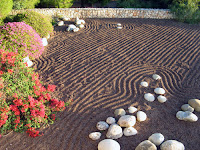
The novel unfolds in a fragmented
fashion with different stories unfolding in bits and pieces. The title, Gardens
of Kyoto, is actually a book within the book about the beautiful gardens in
this treasured place in Japan. The fragmentation of the gardens symbolizes the
narrative technique of the book. One of the gardens described in the book leaves
“the viewer to fill in the landscape.” This book, too, requires the reader to
fill in the gaps and re-read portions until they make sense. The narrator, near
the end of the book, says, “We are none of us who we are.”
The book illustrates that illusion
with the themes of family secrets that damage lives, the repression of women in
those post-war years and the ravages of war. Everyone is damaged in some way by
secrets and illusions. I found this to
be an intriguing story beautifully written with all the fragments fitting
together at the end.


